Untangling the Essence of Indian Cuisine: An Overview to Iconic Famous Indian Food
Indian food is a complex mosaic, defined by its abundant spices and diverse regional tastes. Each recipe reflects a special social heritage, mixing agricultural exercise with cookery. From the luscious gravies of the North to the rice-based specialties of the South, the range is amazing. This exploration will expose famous recipes and the tales behind them, as well as the considerable function of road food in India's gastronomic landscape. What tricks exist within this cooking tradition?
The Rich Tapestry of Indian Flavors
While several cuisines rely upon a limited series of tastes, Indian food is differentiated by its considerable and diverse variety of spices. This rich tapestry of spices includes staples such as cumin, coriander, turmeric, and cardamom, each contributing distinct qualities to meals. Cumin provides a warm, earthy flavor, while coriander includes a tip of citrus. Cardamom, usually described as the "queen of seasonings," presents a pleasant, fragrant high quality, and turmeric provides a vibrant gold tone in addition to its health and wellness benefits.
Spices are not merely flavorings in Indian food preparation; they are important to the cooking viewpoint, symbolizing equilibrium and consistency. The art of blending spices, called masala, differs from region to area, showcasing the cooking experience gave through generations. This intricate use flavors not only boosts taste but additionally mirrors India's cultural heritage, making each recipe a sensory experience that informs a story of its origin.
Regional Variations: Discovering the Variety of Indian Dishes
North vs. South Cuisine
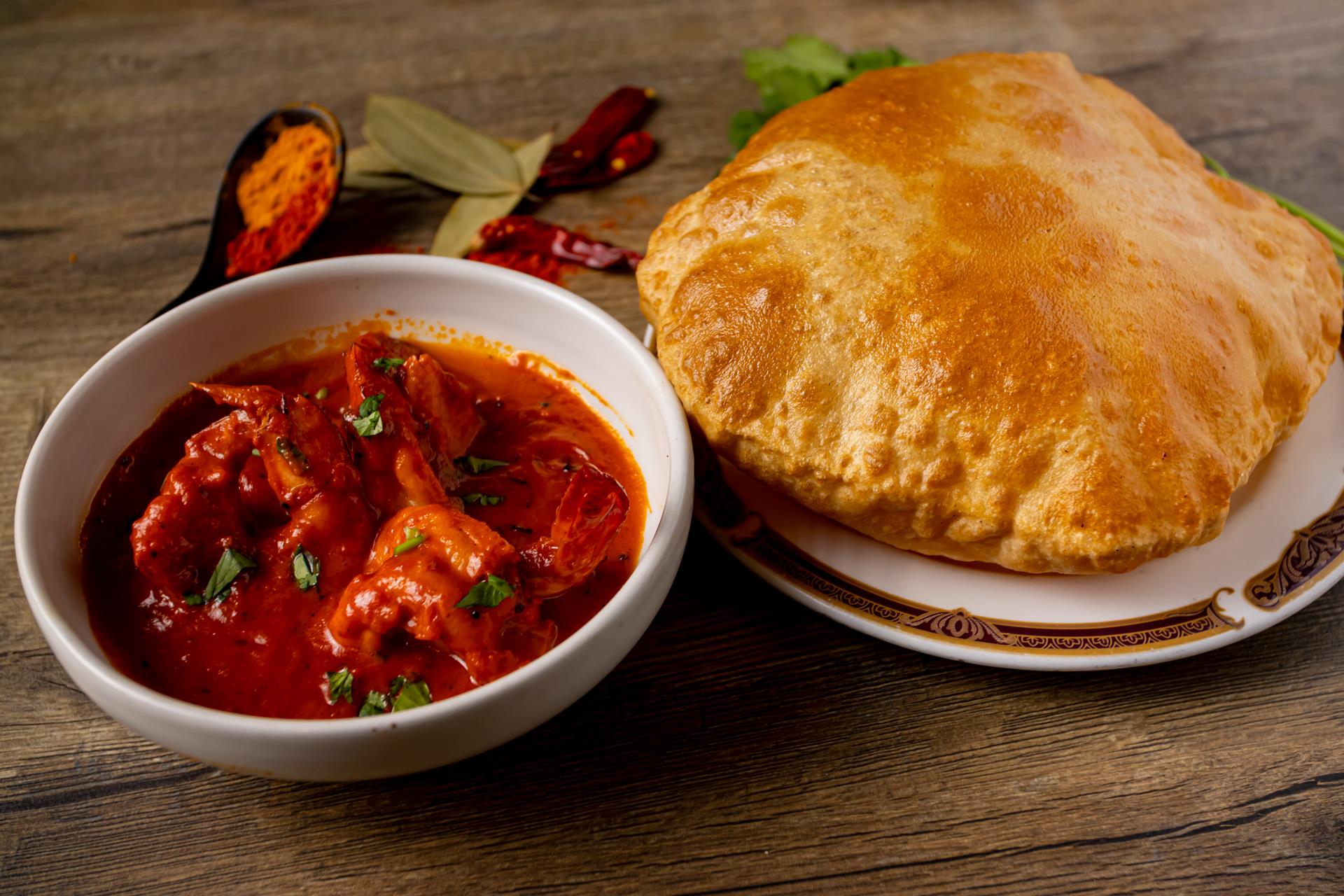
Both North and South Indian cuisines share an abundant heritage, they provide distinctive flavors, ingredients, and food preparation methods that mirror their diverse local influences. North Indian food is characterized by its usage of dairy items, such as paneer and ghee, and features recipes like butter chicken and naan. The food typically incorporates aromatic seasonings and rich sauces, catering to a combination looking for comfort and heat. In contrast, South Indian food stresses rice, lentils, and fresh vegetables, causing lighter, tangy meals like dosa and sambar. Coconut and curry fallen leaves are common, adding to its distinct preference profile. This regional aberration highlights the culinary breadth of India, showcasing exactly how geography and culture form food traditions throughout the nation.
Spices and Components Diversity
The vivid tapestry of Indian cuisine is woven with each other by an impressive variety of components and seasonings, each adding to the country's culinary variety. From the intense chilies of the south to the aromatic cardamom of the north, these elements vary regionally, showing neighborhood farming and climate. Coastal regions use fresh fish and shellfish and coconut, while dry areas favor grains and lentils. Making use of seasonings like coriander, cumin, and turmeric is common, yet each area has its unique mix, such as garam masala or panch phoron. In addition, local herbs and vegetables even more enhance meals, showcasing seasonal schedule. This intricate interplay of appearances and flavors is what makes Indian food both varied and deeply rooted in practice.
Iconic Cuisines: From Biryani to Butter Hen
Rich in tastes and practices, renowned dishes such as biryani and butter chicken exemplify the varied cooking landscape of the Indian subcontinent. Biryani, a great smelling rice recipe layered with marinaded meat, showcases regional variations, from the spicy Hyderabadi to the flavorful Lucknowi. Each variation mirrors regional flavors, cooking techniques, and social impacts, making biryani a cherished meal across India.
Butter hen, or murgh makhani, stems from Delhi and includes tender poultry pieces simmered in a creamy tomato sauce improved with flavors and butter. This dish highlights the fusion of tastes, integrating elements from Mughlai food with typical Indian cooking. Both dishes not just please the palate yet likewise tell tales of India's rich history and the mixing of cultural impacts. Together, they stand as demonstrations of the virtuosity and complexity of Indian cuisine, welcoming food enthusiasts to discover their special flavors and prep work.
The Art of Indian Street Food
Indian road food represents a vivid tapestry of tastes and textures, enchanting residents and tourists alike. This cooking art form grows in busy markets, where suppliers skillfully prepare fast, affordable, and scrumptious meals. From the spicy and tasty pani puri to the savory chaat, each recipe offers an one-of-a-kind taste experience, usually gone along with by a harmony of aromatic flavors.
Road Visit Website food is not merely look at this now concerning sustenance; it symbolizes the significance of social interaction and social exchange. Individuals gather around food stalls, sharing tales and giggling, creating a sense of area. Regional variants add additional deepness, with each area flaunting its specialties, such as vada pav in Mumbai or kathi rolls in Kolkata.
The preparation techniques, frequently given via generations, reflect a mix of practice and innovation. This lively street food scene illustrates the rich culinary heritage of India, making it an important component of the country's identity.
Standard Food Preparation Methods and Their Relevance
Standard food preparation methods in Indian food show the diverse regional practices and the cultural significance of cooking. These methods not just boost the tastes and structures of components however likewise embody rituals that attach individuals to their heritage. Recognizing these methods lights up the essential role they play in maintaining credibility and protecting culinary traditions.
Regional Food Preparation Approaches
While checking out the diverse landscape of cooking approaches, one can discover a tapestry of regional strategies that mirror the cultural heritage and local sources of numerous areas. Each area in India showcases one-of-a-kind methods, such as making use of clay pots in country areas, which enhance taste with sluggish cooking. The tandoor method, widespread in the north, imparts a distinct smokiness to meats and breads, while steaming is preferred in coastal areas, preserving the quality of seafood and veggies. In the south, solidifying spices in warm oil is a vital step, launching vital pub food near me oils and aromas. These techniques not only produce distinctive cooking identities however also link communities to their historical and ecological contexts, highlighting the relevance of custom in Indian food.
Component Preparation Rituals
In many kitchens across India, active ingredient preparation routines play a pivotal function in forming the culinary experience. These routines incorporate different strategies, such as saturating lentils, grinding flavors, and cutting veggies, which enhance tastes and appearances. Each action is frequently steeped in practice, reflecting regional preferences and seasonal schedule (best indian Ridgefield CT). For instance, the careful grinding of seasonings in a stone mortar, called 'sil batta', not only maintains essential oils however likewise attaches chefs to their heritage. In addition, the act of preparing components is typically a public event, cultivating family members bonds and shared social worths. Inevitably, these routines are not just useful yet offer to recognize the food, boosting the food preparation procedure into an art type that celebrates India's rich culinary legacy
The Global Influence of Indian Food
As Indian food proceeds to obtain appeal worldwide, its abundant flavors and diverse ingredients have made a considerable influence on global culinary techniques. The intro of flavors such as cumin, coriander, and turmeric extract has not only enhanced the preference of numerous meals but also added to the health and wellness consciousness amongst food enthusiasts.
Dining establishments featuring Indian-inspired menus have actually arised in numerous countries, mixing typical recipes with local active ingredients to develop ingenious fusion recipes. Furthermore, the rise of vegetarianism and veganism has actually additionally pushed Indian cuisine right into the spotlight, as many typical Indian recipes are normally plant-based.
Cooking festivals commemorating Indian food are now typical, enabling chefs and home chefs alike to explore its intricacy. The global impact of Indian cuisine is noticeable in the adaptation of its strategies and flavors, cultivating cross-cultural culinary exchanges and improving the global food landscape.
Regularly Asked Questions
What Are the Wellness Advantages of Indian Spices?
Indian seasonings provide numerous health advantages, consisting of anti-inflammatory buildings, enhanced food digestion, enhanced immunity, and possible cancer-fighting effects. Their rich anti-oxidants add to general health, advertising heart health and helping in weight management.
Exactly How Can I Make Indian Food in the house?
To make Indian food in your home, one should gather necessary spices, fresh components, and adhere to typical recipes. Explore techniques and flavors can improve the food preparation experience, generating scrumptious and authentic meals.
Exist Vegetarian Options in Indian Food?
What Is the Background Behind Indian Cuisine?
Indian cuisine's background extends thousands of years, influenced by local components, cultural exchanges, and emigration. Its evolution reflects diverse practices and techniques, resulting in a rich tapestry of flavors and cooking strategies throughout the subcontinent.
How Do I Match Indian Food With Beverages?
To combine Indian food with drinks, one need to consider the dish's flavor level and taste account, often matching it with lassi, chai, or local glass of wines, boosting the total dining experience with balanced preferences. - Best indian near me
Indian cuisine is a complex mosaic, defined by its rich spices and diverse regional tastes. While several foods count on a minimal array of tastes, Indian food is differentiated by its substantial and varied range of spices. Both North and South Indian cuisines share an abundant heritage, they supply distinctive tastes, components, and cooking techniques that mirror their varied regional influences. The vibrant tapestry of Indian food is woven with each other by an exceptional variety of flavors and components, each contributing to the nation's cooking diversity. As Indian food continues to acquire popularity worldwide, its abundant flavors and diverse ingredients have actually made a substantial effect on worldwide culinary practices.